The West Side Community Organization (WSCO) is excited to introduce this year’s candidates for the Board of Directors — community leaders who bring their passion, experience, and vision to the work of building a just, joyful, and thriving West Side.
This year, there are five seats to fill, and the slate of candidates reflects the heart of our neighborhood — educators, organizers, leaders, and advocates — each deeply committed to uplifting our community.
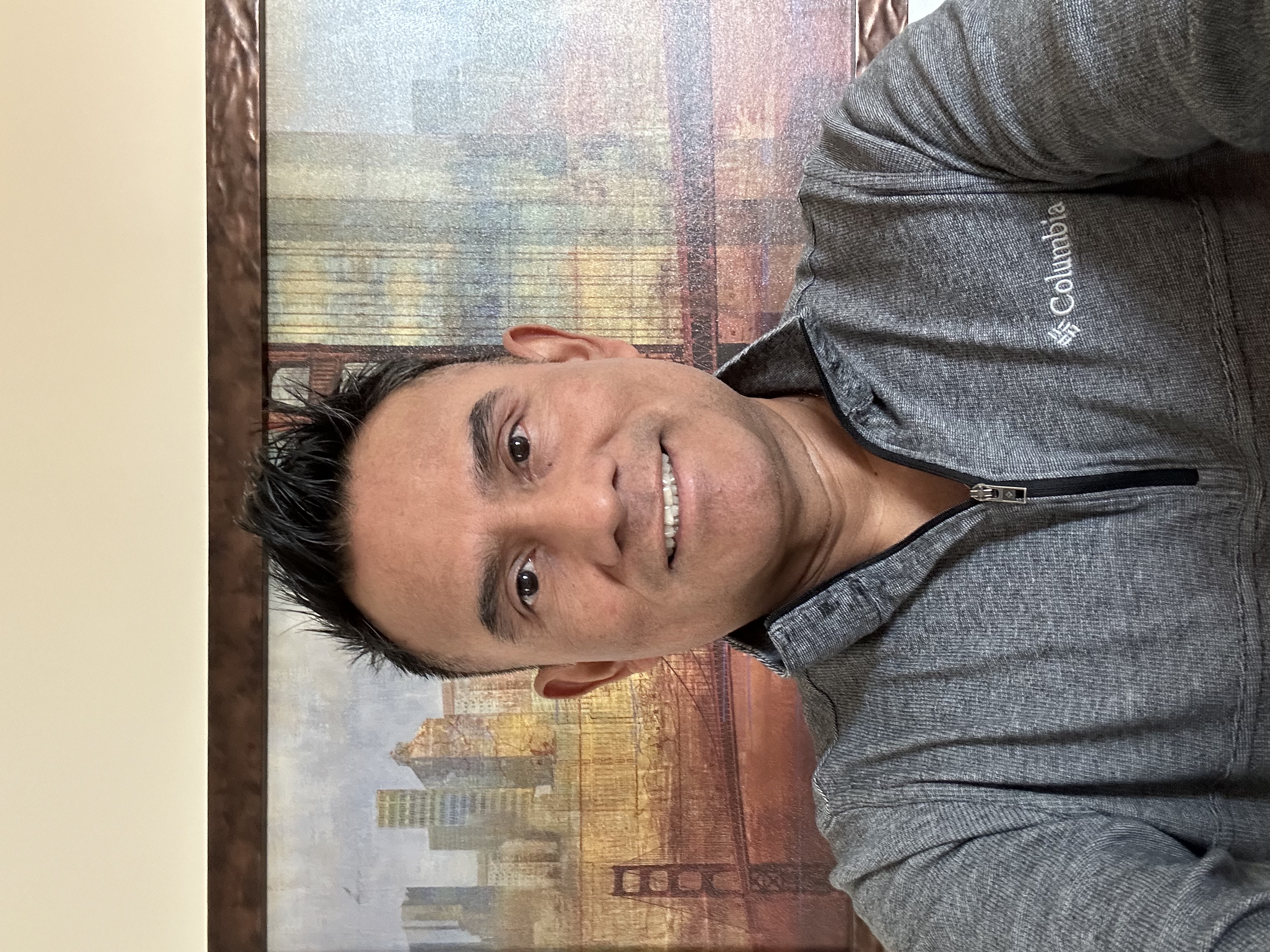
Carlos Alarcon is a proud father, husband and West Side neighbor whose life has been rooted in hard work and community connection. Before coming to Minnesota, he worked for over a decade on cruise ships. Here in the Twin Cities, he has worked different jobs, including in manufacturing and at Turkey to Go at the Minnesota State Fair. He currently serves on the WSCO Robert Street Accountability Task Force. Taking GED classes and connecting with Neighborhood House have deepened his commitment to our neighborhood. Carlos wants to bring his lived experiences, dedication and voice to the board to help ensure every family on the West Side feels supported, welcomed and heard.
 Cecilia Dupey Garza is 41 and was born and raised in St. Paul. She lived on the West Side when she was little and has been back, living here for the past two years, and says it’s good to be home! She loves this neighborhood so much that she convinced her boyfriend to have a West Side mural painted on their garage. She was in Los Alegres as a child, and Cinco is probably her favorite weekend of the year. Cecilia has seen the neighborhood have its ups and downs. She thinks the West Side has come a long way, but there’s always room for improvement, and she wants to step up and do her part.
 Dana Laidig, a two-year West Side resident, is committed to making sure working-class voices shape the decisions affecting their communities. She serves on the Hummingbird Initiative's Training and Policy Team, canvassed for the West Side 100 campaign, and assisted in training residents to become Constitutional Observers and Democracy Navigators. Her experience includes responding to residents' everyday concerns at City Hall and organizing volunteers as a campaign manager during a major John Deere strike, a cause close to her family of three generations of Deere workers. Whether in government, organizing, or in her neighborhood, Dana believes everyday people - not corporate interests - must come first.
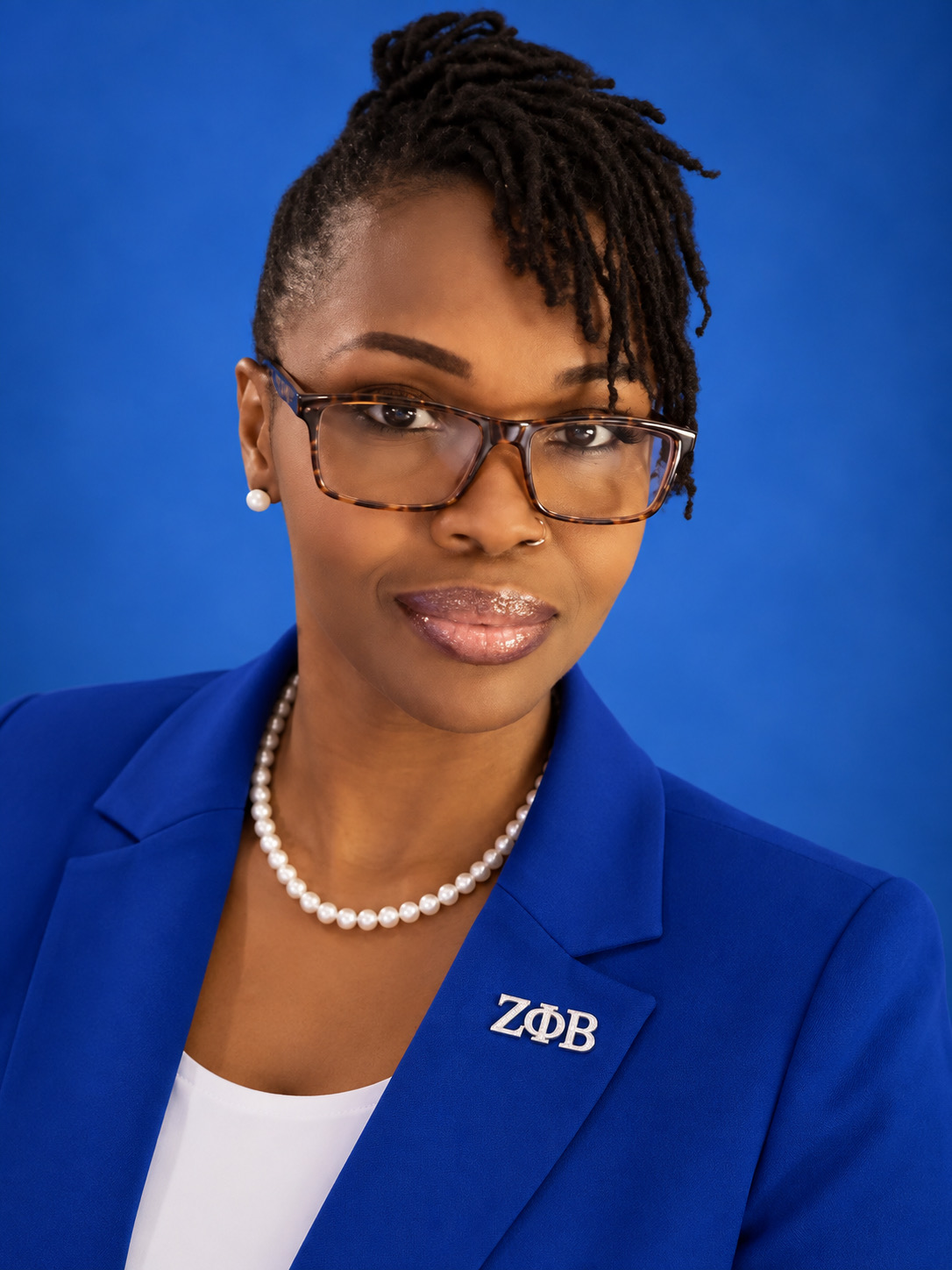 Danielle V. Andrews is a West Side resident since 2021, educator, nonprofit leader, community advocate, and doctoral student with over 20 years of experience. A former Minneapolis Public Schools educator, she has supported students, families, and educational equity. She currently facilitates Family Education and Empowerment courses with Northside Achievement Zone and Rebound Inc., serves in leadership with Zeta Phi Beta Sorority, Inc., and is developing RECLAIM, an initiative empowering Black men. A former Hawthorne Neighborhood Council Board Treasurer and National Pan-Hellenic Council President, Danielle is passionate about equity, resident voices, and building stronger, more connected communities.

Monica Bryand began her career as an accountant before spending over 22 years in philanthropy, including 16 years at the Headwaters Foundation for Justice. In 2015, she made a major career shift to pursue consulting opportunities alongside her passion for birding and bird photography. Prior to launching her current organization, she also served for five years as Co-Executive Director at Voices for Racial Justice. Today, Monica is the Executive Director of the Urban Bird Collective, a group that creates welcoming, inclusive spaces for BIPOC and LGBTQIA+ communities to bird in the Twin Cities. As a Latina, Monica believes in working across interconnected issues to drive lasting systemic change.

Palmer Horst is a West Side resident with a longtime interest in politics and the way that it affects the lives of ordinary people, as well as a passion for helping people. Though he is not currently practicing, when he formerly practiced trust and estates law, he also volunteered as a guardian ad litem in Hennepin County and did work with the Volunteer Lawyers Network. Since moving to the West Side in 2020, he has become involved in local Saint Paul politics and volunteer work. He is a unit director with the DFL SD65, and does organizing work with the Twin Cities DSA and Safe Homes Saint Paul, working to improve the lives of all Saint Paul residents. Palmer lives with his wife, son, and two dogs and enjoys cooking.
 Victoria Safford and her family moved to the West Side in 2022, after years of wishing they could. She and her husband share a duplex with their daughter, their daughter-in-law and their two grandchildren (the elder started at Riverview pre-K this fall). Victoria recently retired from a long career as a minister, but her first and most formative calling was community organizing. To the WSCO Board, she would bring a lifelong commitment to grassroots institutions working for radical change, as well as a passion for on-the-ground activism. For the past 11 months, she has been sustained by, grateful for and humbled to be part of the Hummingbird network, learning to love the neighborhood by foot-commuting every street of it and believing more than ever that we keep each other safe.
Why are you running for the WSCO Board?
Carlos Alarcon: What inspires me is the way this community showed up for my family during one of the hardest times in our lives, when I was detained by ICE after the raid at my workplace. My family has not lived on the West Side for very long, but the way we were welcomed made us feel like we belonged. It showed me what community really means. It’s not just about living in the same neighborhood. It’s about caring for one another, standing together during difficult times, and making sure people have support when they need it most.
Since coming home, I have been trying to find ways to stay involved, learn, and give back while I wait for my work permit. WSCO and the people connected to this community have already done so much for my family, and I would like the opportunity to be part of that work. I want to help make sure every family feels welcomed and heard, too.
I may not have experience serving on a board, and sometimes I question whether I belong in these spaces. But I know what it feels like to need help, and I know how much it matters when someone shows up for you. I want to bring my experiences, listen to others, and do what I can to help make our community stronger.
Cecilia Dupey Garza: I care about what goes on in this community. I want to do what I can to make a difference.
Dana Laidig: I love the character of the West Side and believe in showing up for the people who make this neighborhood special. As I continue putting down roots here, I want to build meaningful relationships with my neighbors and help strengthen the community. My inspiration is the next generation of West Siders, and I want to continue the hard work today so they can inherit a neighborhood where they can thrive and have a real voice in shaping the future.
Danielle Andrews: I'm inspired to serve on the WSCO Board because I believe strong communities are built when residents feel heard, valued, and empowered to shape their neighborhoods. My lived experience with housing instability, combined with my background in education, nonprofit leadership, and community advocacy, has strengthened my commitment to creating opportunities for others. Having previously served as Board Treasurer for the Hawthorne Neighborhood Council, I understand the importance of collaboration, accountability, and resident engagement. For me, serving isn't just about having a seat at the table; it's about ensuring the people we represent have a voice at that table, too.
Monica Bryand: Having been connected to the West Side Community Organization (WSCO) for more than 20 years—and having previously served on its board—I have seen firsthand how our neighborhood shows up for one another. Over the past two decades, I have stayed connected to WSCO’s mission as time allowed, always proud of the grassroots spirit that defines the West Side.
However, watching how our community responded to Operation Metro Surge this past year deepened my desire to step back into active leadership. Seeing neighbors, local businesses, and WSCO staff unite through the Hummingbird Initiative and emergency rent assistance reminded me of what makes the West Side extraordinary. We are a committed community that believes deeply in keeping each other safe and helping one another through crisis.
At the same time, mutual aid alone is not enough. While immediate relief is critical when families are hurting, we must also tackle the root causes that leave neighbors vulnerable in the first place. I am inspired to rejoin the board because WSCO bridges both worlds—meeting urgent needs with dignity while organizing for lasting systems change. From building working-class renter power and tenant unions to shaping equitable development along Robert Street and securing redress for Flats families, WSCO turns crisis response into permanent collective power. I want to bring my institutional knowledge, collaborative spirit, and deep love for this neighborhood back to the board table so that all West Siders can truly benefit and thrive.
Palmer Horst: I moved to the West Side right before COVID in 2020 because a good friend of my wife and me had lived here for a long time, and we knew we loved the neighborhood. Since then, we’ve raised our son here and come to love our neighbors and local businesses. From visiting the many playgrounds with our son to running the Lilydale Trail to shopping at El Burrito Mercado, I love the West Side and want to see it continue to improve and provide a place for the diversity of families and individuals who live here. Metro Surge, of course, brought the community even closer together, and I hope we can continue to provide resources to our immigrant neighbors who are being targeted.
Victoria Safford: WSCO’s approach to community organizing is deep, brave, and powerful. I am inspired by the profound respect for elders, for history, for the many stories of this neighborhood, and also by the creative, courageous vision for the future. WSCO’s pivot this past year was extraordinary: to hold an already-full program agenda and immediately expand to meet the moment that this past winter thrust upon us was amazing to witness and to be part of. I want to honor the West Side’s past and also support the work of WSCO’s brilliant, bold staff in any way I can.
What does equity mean to you?
Carlos Alarcon: To me, equity means making sure people have a fair chance and access to the support and opportunities they need, regardless of where they come from, what language they speak, or their immigration status. It means understanding that not everyone starts from the same place and that sometimes people need different kinds of support to have the same opportunities. My understanding of equity comes from my own life and what my family has experienced. This past year made me understand even more how important equity and community support are.
Cecilia Dupey Garza: Everyone deserves their fair share. We’ve been through a lot together, and there’s probably more fight to come. We need to stay together and continue to help each other out. As Paul Wellstone said, “We all do better when we all do better.”
Dana Laidig: Equity means ensuring that everyone has access to the basic necessities of life: safe housing, food, healthcare, and the right to live with dignity. It means recognizing that people face different barriers and making sure they are protected and not overlooked. Working people should never be treated as pawns in economic power struggles between the wealthy and powerful. Equity means putting the people’s needs ahead of profits.
Danielle Andrews: To me, equity means recognizing that everyone deserves a fair opportunity to succeed, but not everyone starts from the same place or has access to the same resources. Having experienced homelessness, foster care, and barriers to education, I understand firsthand how access to opportunity and support can change the direction of someone's life. Those experiences have shaped my commitment to meeting people where they are, removing barriers, and ensuring their voices are included in decisions that affect them. Equity isn't about giving everyone the same thing; it's about making sure everyone has what they need to thrive.
Monica Bryand: For me, equity is about who holds power and who gets to thrive. On the West Side, we know how to show up for one another in times of crisis through mutual aid, because we believe no neighbor should be left behind. Equity takes that commitment one step further—it means redesigning our systems, policies, and neighborhoods so that families aren't constantly forced into survival mode. When those most impacted by injustice are leading the decisions that affect their lives, the entire community becomes stronger, safer, and more vibrant.
Victoria Safford: For me, as an older, white, cis person, literally embodying all the privilege that these identities carry, equity means stepping back, making space, and listening hard for the voices, vision, wisdom and power of those who, for too long, have lived on the margins. Equity means centering the experience of those most affected by white supremacy, colonialism and capitalism. Equity means we all belong, and it means working to ensure that the conditions of our life together make belonging possible, and viable, for everyone.