 When the United States celebrated Earth Day for the first time in 1970, dozens of families on the West Side Flats had just been forcibly removed from their vibrant, diverse neighborhood by the City of Saint Paul to make way for the Southport Industrial District.
Since the 1970s, industrial activity and traffic in and out of Southport has steadily increased — trucks, barges, major highway, and rail all converging on a neighborhood that is also home to families, a school, and a church. Over the years, neighbors have come together to fight for environmental justice, including blocking an asphalt plant, stopping a car shredding facility and advocating for the planting of more trees.
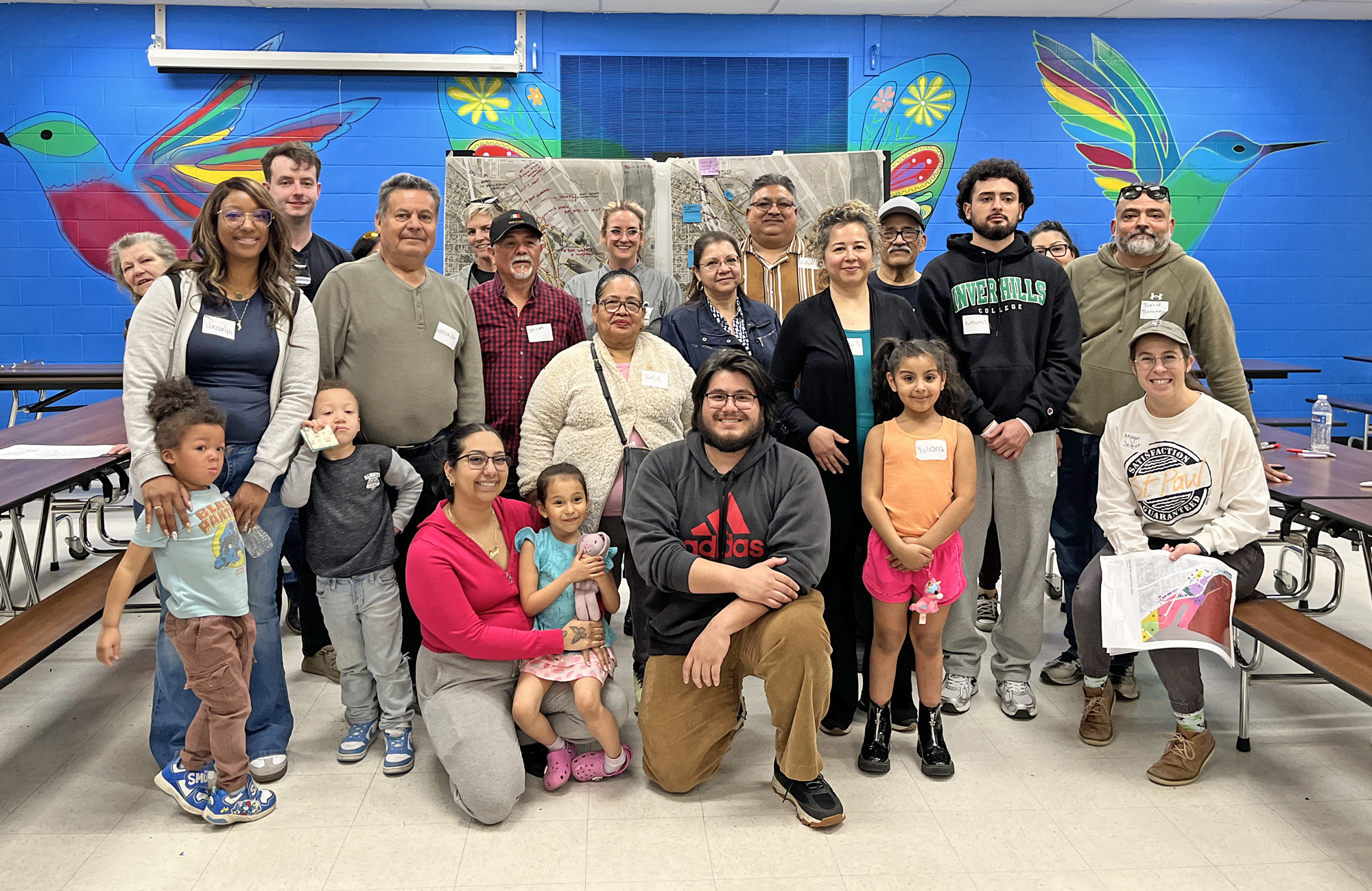
Building on that legacy, a new generation of neighborhood leaders began organizing with WSCO in 2025, coming together week after week to discuss serious concerns about respiratory health disparities, recurring traffic jams, disruptive noise and the continuing injustice of displacement.
This Earth Week, we're introducing you to some of key leaders advancing the new West Siders for Environmental Justice campaign. Learn more about the group's work on May 1 from 12 to 4 p.m. during our Week of Action!
 |
|
The challenge of living in Southport: "It was a mid-fall afternoon and I was on my way back home from dropping off diapers to my sons daycare, when I was met with the disappointment of Concord being backed up due to the train passing. It’s no surprise at this point, since residents of Southport experience this pretty much every single day, multiple times a day. But this day was out of the ordinary for me. I was surrounded all 4 directions in my car with semi trucks. No way to maneuver around them. Their toxic fumes penetrated the inside of my car. At least 45 minutes passed and we were all in the same spot. I was furious. I don’t live even 5 minutes away and I had no idea when I would make it home. Time went on. An hour and 25 minutes. You’ve got to be kidding me. 2 hours. I was beyond furious. I moved my car to the shoulder of the exit on Concord, and I walked myself home. Completely ridiculous." What environmental justice means to me: "Not having to worry about what we’re breathing in. Not having to fight with corporations to see what we’re asking for is human rights." If the campaign is successful, in 20 years my family's life will be different in these ways: "Unfortunately, I believe me and my family would be long gone from the area because 20 years is too long for us to wait for things to better. But my conscious would be clear not leaving a toxic environment for future generations to inherit. No more generations of injustice. The chains would be broken and prosperity for the community would flourish." |
 |
|
Current challenges: "There are times when the noise from trains and industrial activity is so intense that my home is shaking. The pounding and collisions from rail cars create vibrations that travel through the ground, causing walls to tremble and making you question the long-term condition of your home. On top of that, there’s constant background noise and pollution in the air. It’s hard to fully relax or feel at peace when your environment feels unstable and unpredictable. These experiences aren’t occasional, they’re frequent enough to affect comfort, sleep, and overall quality of life." Environmental justice: "Holding people and companies accountable when their actions create unhealthy or uncomfortable living conditions for others. It’s about making sure every community; no matter where they are, has the right to clean air, peace, and a safe environment. It also means creating real, practical solutions that improve quality of life for everyone, not just a few. And just as important, it’s about having the courage to speak up and stand firm in what you believe, even when others try to dismiss or silence those concerns." A better future: "In 20 years, I imagine a completely different quality of life for myself and my family. There would be better health overall, with fewer trips to the doctor because we’re no longer constantly exposed to harmful conditions. Our home would finally feel like a place of peace; quiet, stable, and safe. Instead of heavy industry surrounding us, there would be spaces and resources that actually serve the community in a positive way. It would feel like we’re living in an environment that supports our well-being instead of working against it." |
 |
|
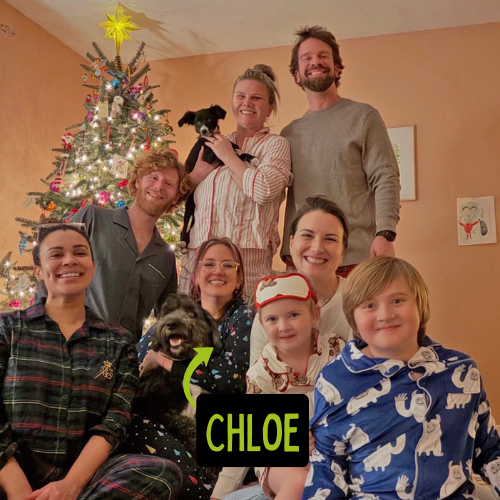
Environmental justice: "Environmental justice means living in a neighborhood where we can gather outside as a community, breathing fresh air, having BBQs, and walking together to the river. It means spending long days with family in my backyard full of laughter and without fear of pollution. It means quiet nights in my hammock with my dogs playing in the yard and the only sound I hear is the wind."
|
Learn more about the group's work on May 1 from 12 to 4 p.m. during our Week of Action!