The West Side has spent the last year showing up – for our immigrant neighbors, for our families facing environmental injustice, for everyone who has ever felt like the systems around them weren't built with them in mind. The West Side Week of Action is our moment to take stock of what we've built, honor what our community has endured, and make clear: we are not going back to business as usual.
WSCO has been quietly building something powerful. And throughout the final week of April, we bring it into the open. We are lifting up the work, amplifying our demands, and ensuring the people in the positions to create change can no longer look away.
This week holds a particular focus on immigration and environmental justice. It is focused on the families living near the Southport industrial area breathing air that shouldn't be breathed, and the neighbors who showed up for each other when ICE came to our streets. It is focused on what comes next: the legislation, policy, accountability, and community plans that turn this moment into lasting change.
Day 1: Constitutional Observer Training
The Hummingbird Initiative is a WSCO project connecting Saint Paul's West Side community with trusted immigration information, legal resources, and rapid response support — grounded in collective care, preparedness, and community safety. The campaign was launched in response to the aggressive tactics carried out by ICE in Chicago during Operation Midway Blitz. We recognized that our state—and our neighborhood in particular—would eventually become a target for these unconstitutional attacks. With approximately 16% of our residents being foreign-born and 53% being people of color, the West Side was especially at risk.
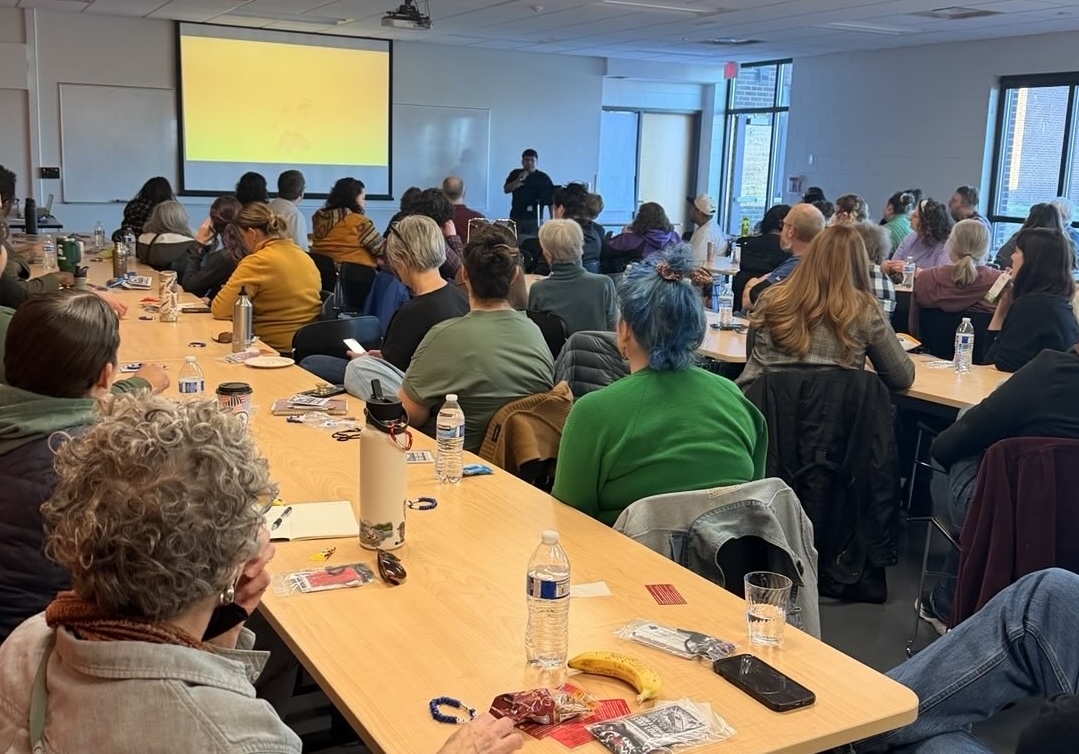 Since October 2025, WSCO has held monthly bystander trainings focused on community response to immigration enforcement activity. The goal of our Hummingbird Initiative trainings have been to ensure community members have accurate information and practical tools to respond collectively and effectively when ICE activity occurs — rooted in safety, dignity, and mutual care.
On Monday, April 27, WSCO is hosting a Constitutional Observer training for West Side residents (ZIP code 55107). Constitutional observation has been a powerful and effective tool for our community to hold immigration and law enforcement accountable. While ICE activity in Minnesota may have slowed, mass deportation has not stopped. We must stay ready. WSCO remains committed to training as many 55107 residents as possible, and will continue to hold onboarding trainings throughout the year — each one a stepping stone to deeper involvement in Hummingbird Initiative efforts.
We keep us safe.
Day 2: A Space to Heal and Build Together
In response to the economic impacts our community faced during Operation Metro Surge, WSCO created the West Side Rent Assistance Fund. So far, we have distributed over $140,000 in rent aid to families in Saint Paul — the strong majority of them being immigrant, West Side residents.
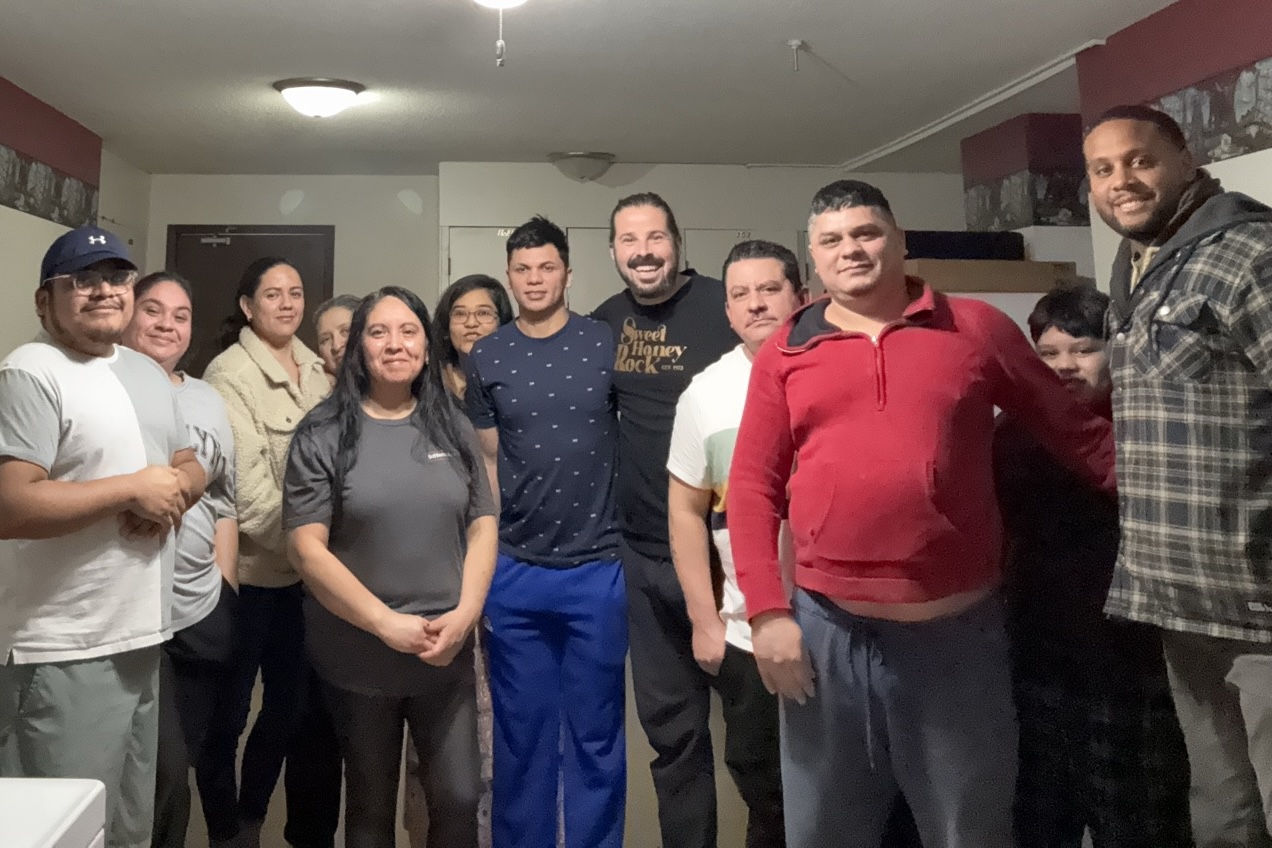 Our process in distributing these funds has been very intentional and relational. It's not just about lending a hand, but about linking arms. Our staff has made every effort to meet with each of these families one-on-one to hear their remarkable stories, break bread, and share how they can be part of creating change through grassroots organizing. We remind them that they are not alone — that the support they're receiving comes from hundreds of others who care deeply about them.
So many West Side residents — through The Hummingbird Initiative and beyond — stepped up to show up for their immigrant neighbors. They recognized that the power and privilege they hold is not something to set aside, but something to put to work — in service of those most directly impacted, and in solidarity with a community that belongs to all of us.
On Tuesday, April 28, WSCO is bringing these two groups together in one space. This gathering is an opportunity to listen more deeply to the needs of families directly affected by the occupation, and to build together toward what comes next. It will be a safe space for impacted families and trained observers from The Hummingbird Initiative to be in community, reflect, and envision the future together.
Given the sensitive nature of this gathering, this event is invitation only and will not be open to the public.
Neighbor to neighbor — we will explore adversity, privilege, power, and healing in grassroots organizing.
Day 3: Turning Community Power into Policy
The way the West Side neighborhood showed up during the ICE surge is nothing short of remarkable. This work deserves to be named, honored, and remembered.
This is what community power looks like:
|
At least 18 West Side businesses organized delivery services, fundraisers, food and supply drives, and other forms of support |
At least 13 West Side nonprofit organizations, faith communities, and schools provided crucial aid and support to families and businesses |
|
Over 700 constitutional observers trained through WSCO's Hummingbird Initiative |
Over $170,000 raised for WSCO's West Side Rent Assistance Fund |
|
Over 40 households prevented from eviction |
Over $12,000 raised for WSCO's West Side Business Support Fund |
|
Countless West Side residents who stepped up to lend a hand or be a powerful voice for their immigrant neighbors |
|
This is the West Side. This is who we are. WSCO is committed to documenting and lifting up these grassroots efforts as the historical record they are — a testament to what a neighborhood can do when it organizes together.
On Wednesday, April 29, we are bringing this record to the people who can turn it into lasting legal and legislative change.
 This convening is an opportunity to reflect the West Side's collective response back to those in positions of influence at the state and federal level. Grasstops representatives will hear direct testimony from impacted families, business owners, workers, and constitutional observers — the people who lived this, fought through it, and are still standing.
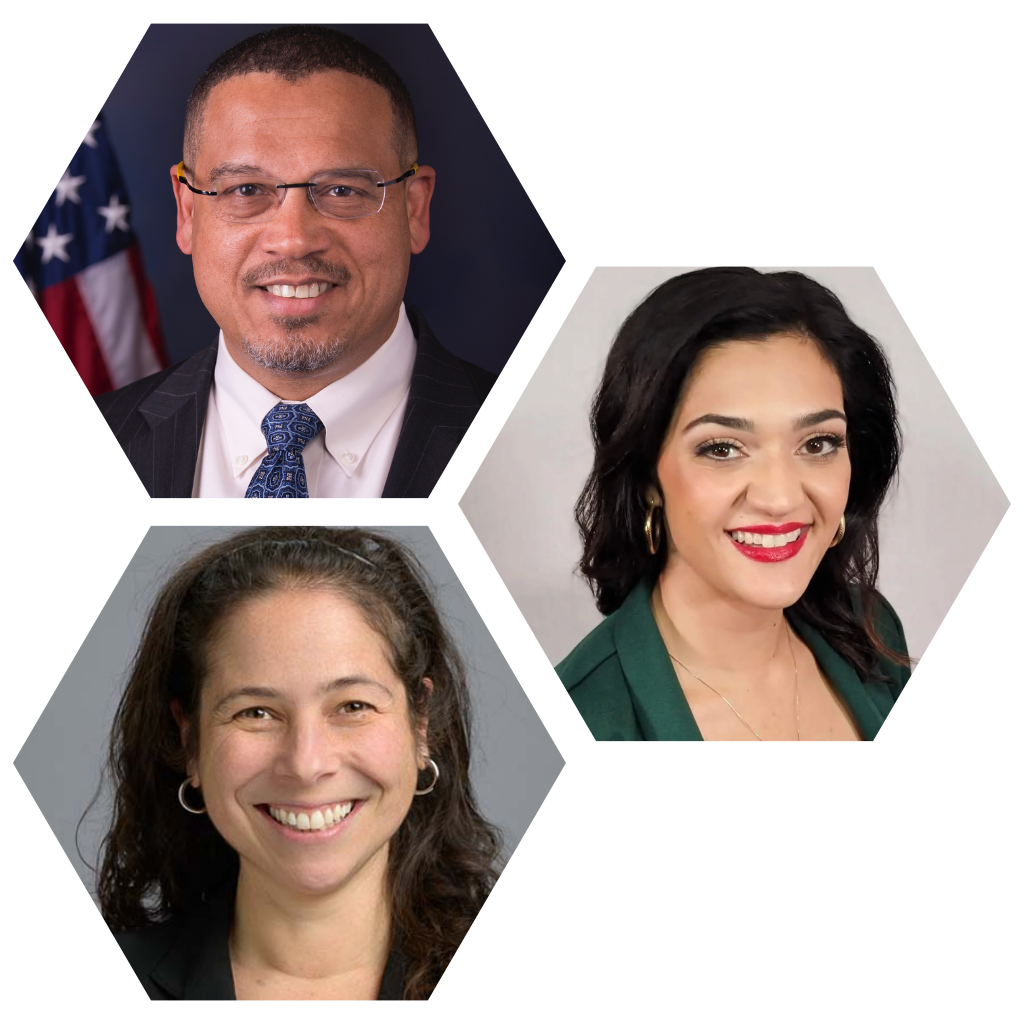
We are honored to have the presence of Attorney General Keith Ellison, State Representative Maria Isa Pérez-Vega, and Council Member Rebecca Noecker, with additional leaders to be confirmed. We look forward to hearing their response to community testimony and what steps they are committed to taking.
This is not a town hall. WSCO has intentionally selected community members to share their stories — centering the voices that matter most and ensuring this moment is led by those most affected.
Our neighborhood organized, protected, and persevered. Now we turn that into policy change.
Day 4: Environmental Justice on the West Side
Some horrors don't need a haunted house. They live in our environment — right here on the West Side.
For more than a year, West Side residents have been doing the hard, quiet work of organizing — knocking doors, sitting in living rooms, and realizing they are not alone in this.
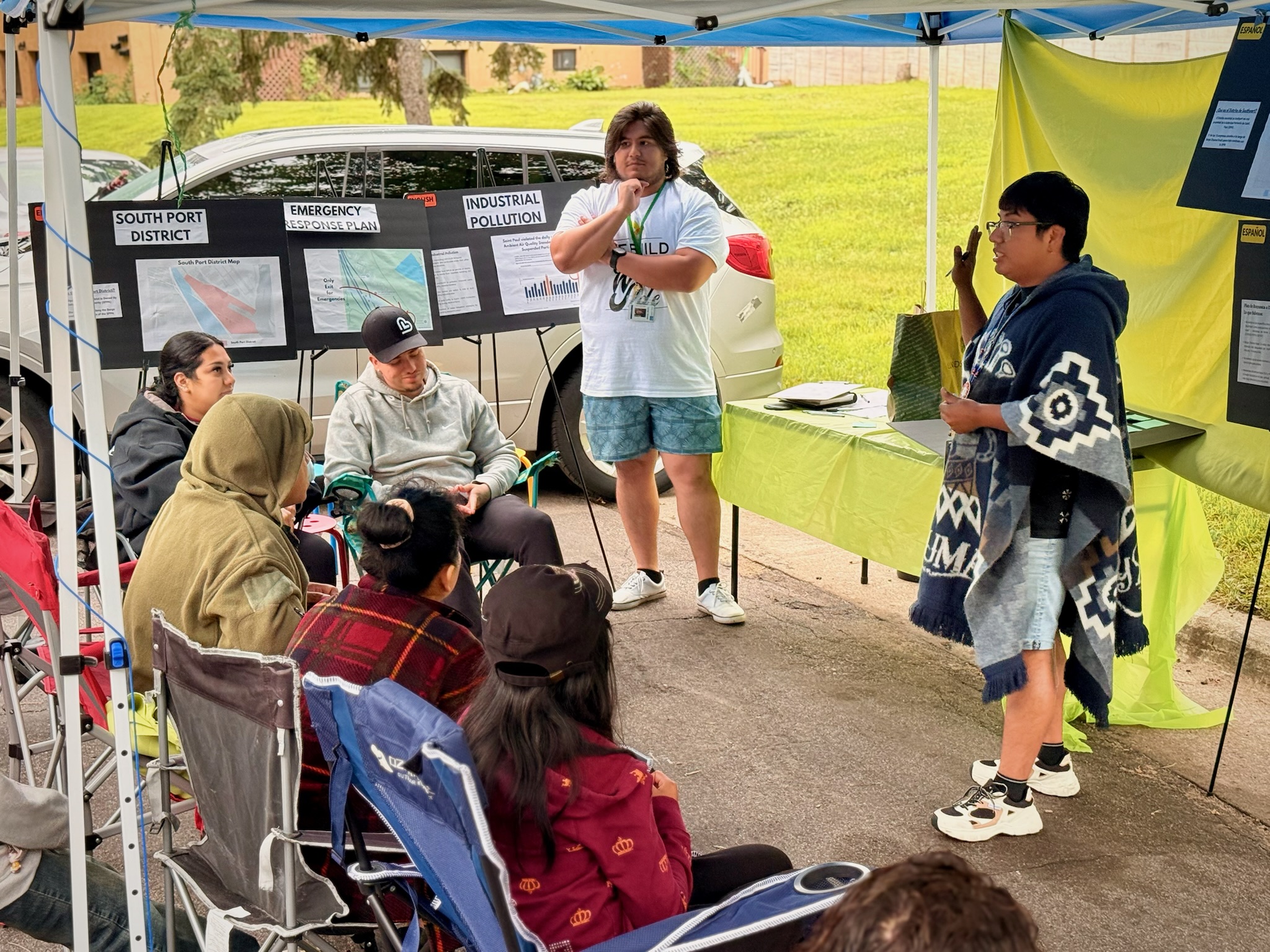 Residents who live near the Southport industrial area are breathing air that state agencies agree is hazardous. Industrial activity blocks the only roads in and out of our neighborhood with idling trucks, spewing diesel emissions and creating congestion that can last hours. It has been nearly ten years since a study documented these hazards and recommended action.
On Friday, May 1, a neighborhood tour — designed and led by the residents who have spent a year organizing for this moment — will bring this reality into view. It's an opportunity to hear firsthand stories, walk the sites, and understand what West Siders are demanding next.
From the bluffs to the flats, all West Side residents deserve clean air. When we come together, we can protect our health and our environment.
The West Side has known what it means to be overlooked for a long time.
Just over sixty years ago, hundreds of immigrants and working families were displaced from the West Side Flats—forced from their homes to make way for a riverfront industrial park. It was an erasure carried out quietly, without national headlines, without much outside attention at all. The emotional and cultural wound of that displacement never fully healed. And a painful industrial footprint left behind continues to harm the very community it displaced — visible today in the hazardous air quality near the Southport industrial area.
This is the context in which the West Side organizes. Not as newcomers to struggle, but as a community with a long memory of what happens when outside forces make decisions about our neighborhood — and when the rest of the world isn't watching.
When the nation turned its attention to Minnesota during Operation Metro Surge, much of that focus landed on Minneapolis. Understandably so—what unfolded there was significant, and the stories that emerged deserved to be told. But across the river, on Saint Paul's West Side, another community was quietly living through its own version of the crisis — organizing, protecting neighbors, and holding each other together.
The West Side Week of Action is about breaking this cycle of invisibility. It is a week-long declaration of who we are and what we're fighting for. It is what community organizing looks like when it's rooted in love, sustained by commitment, and backed by years of showing up for each other. The West Side has been doing this work long before this week, and we'll be doing it long after.